
Funding and Benefits · August 21, 2026
How to Get A Wheelchair Through A Doctor's Prescription In The U.S.
A practical research-backed guide to how to get a wheelchair through a doctors prescription in the us, with decision points, safety notes, documentation questions, and next steps for families comparing mobility options.
Start with the person and the daily route
How to Get A Wheelchair Through A Doctor's Prescription In The U.S. starts with eligibility and documentation, not a shopping cart. Coverage and assistance programs usually care about medical need, the daily mobility problem, the prescribed equipment, and whether the request is supported by the right records.[22][14]
Before applying, gather the practical facts: who will use the chair, where mobility breaks down, which activities are limited, what has already been tried, and whether the requested equipment will be used inside the home, outside the home, or both.[14][15][21]
Fit and setup checks before features
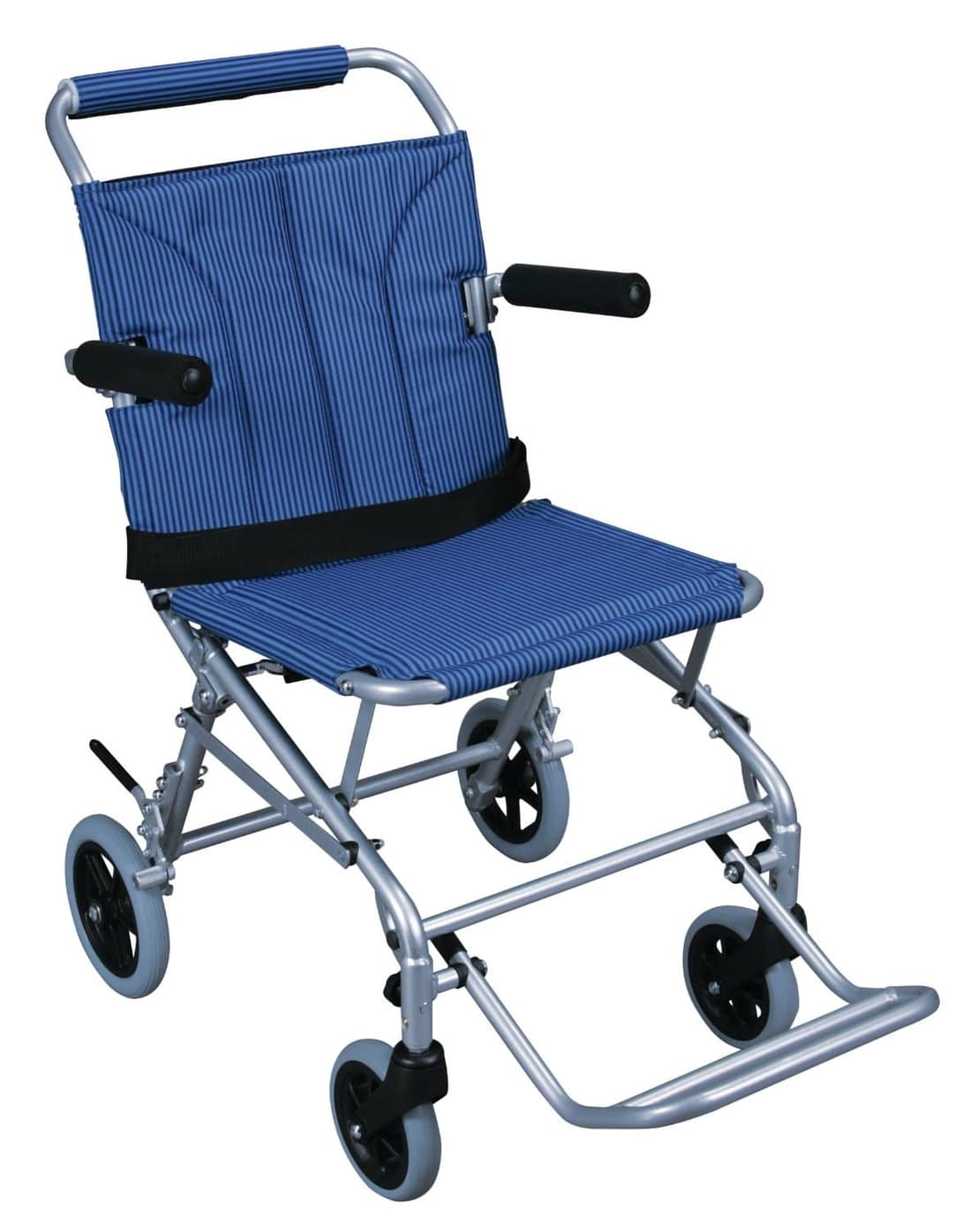
For coverage or assistance, the equipment still has to fit. Seat width, seat depth, back support, arm style, footrest position, power features, and weight capacity can all affect whether a requested chair is appropriate for daily use.[15][21]
A prescription, letter of medical necessity, clinician notes, and supplier documentation may all matter. Exact requirements vary by program, payer, state, and plan, so this article should point readers toward official program rules before they assume a product will be reimbursed.[14][15][21]
Caregiver, transfer, and home-safety notes
For funding and benefits topics, the home route can matter because some programs ask whether the device is needed for basic mobility and activities of daily living. Document the real obstacles: bedroom, bathroom, kitchen, entry, appointments, and caregiver assistance.[14][15][21]
If the chair will be used in bathrooms, bedrooms, cars, or tight hallways, measure those spaces before buying accessories. A product that works in a showroom can fail at the doorway, toilet, bed edge, or vehicle trunk.[18][19]
Red flags to slow down for
Slow down if the product listing does not clearly state seat dimensions, total weight, weight capacity, folded size, brake style, armrest style, or return terms. Missing details are especially risky for daily-use chairs, transfer equipment, and pressure-relief products.[14][21]
Also slow down when a product promises independence but assumes a caregiver, or promises portability but exceeds the weight a caregiver can safely lift. The safest choice is the one that matches the weakest part of the daily route.[17][14]
How to verify the right choice
Confirm the current retailer listing, manufacturer specifications, measurements, included accessories, warranty, and return policy before buying. If the wheelchair will be used daily or for long seated periods, ask a clinician, therapist, or mobility equipment professional to review the fit.[14][15]
A strong answer to how to get a wheelchair through a doctor's prescription in the u.s. should reduce friction in the actual day: easier movement, safer transfers, better fit, clearer caregiver tasks, and fewer surprises at home. If two products look similar, choose the one with clearer measurements and the safer setup for the route used most often.[14][15][21]
Related Guides
References
[14] Getting the Right Wheelchair: What the SCI Consumer Needs to Know
Model Systems Knowledge Translation Center
Visit source[15] Wheelchair Fitting and Measurement Guide
Academy of Neurologic Physical Therapy
Visit source[21] 10 Essential Measurements: Manual Wheelchair Selection
Permobil
Visit source[22] Wheelchairs and Scooters
Medicare.gov
Visit source[17] Caregiver Guide: Mobility Problems
HealthInAging.org
Visit source[18] Caregiver Guide: Helping with Recovery from Illness
HealthInAging.org
Visit source