
Fit first
Confirm seat width, capacity, transfer height, and home clearances before ranking features.
Daily handling
Match the chair to who lifts, pushes, folds, transports, and stores it most often.
Safety context
Use product specs as a starting point, then verify medical, skin, transfer, and fall-risk needs with a qualified professional.
Prepare the space before moving
Safe transfers start before anyone moves. Clear clutter, lock brakes, position the chair close to the destination, and move footrests out of the way.
Most transfer routines become safer when the environment is consistent and predictable.
Use aids for the right job
Transfer boards, gait belts, grab bars, transfer poles, and swivel cushions each solve different problems.
If a transfer feels unstable, unpredictable, or physically demanding, ask a qualified professional for training rather than improvising.
Protect the caregiver too
Caregiver strain can happen quickly when lifting, twisting, or rushing. Good body mechanics and appropriate equipment protect both people.
The goal is a routine that can be repeated safely every day, not just a one-time successful transfer.
Compare Before You Buy
Use these comparisons to avoid the wrong chair.
Transport Chair vs Wheelchair
Compare transport chairs and manual wheelchairs by independence, caregiver support, portability, wheel size, and best use case.
Manual Wheelchair vs Transport Chair
A buyer-focused comparison of manual wheelchairs and transport chairs for independence, caregiver support, trips, and everyday use.
Best Wheelchairs for Seniors: What to Compare
Compare wheelchair features that matter for seniors, including transfers, armrests, brakes, footrests, chair weight, and caregiver handling.
Featured Picks
Start with chairs that fit this use case.
We may earn a commission when you buy through Amazon links. Verify current fit, capacity, specs, and return policies before purchase.
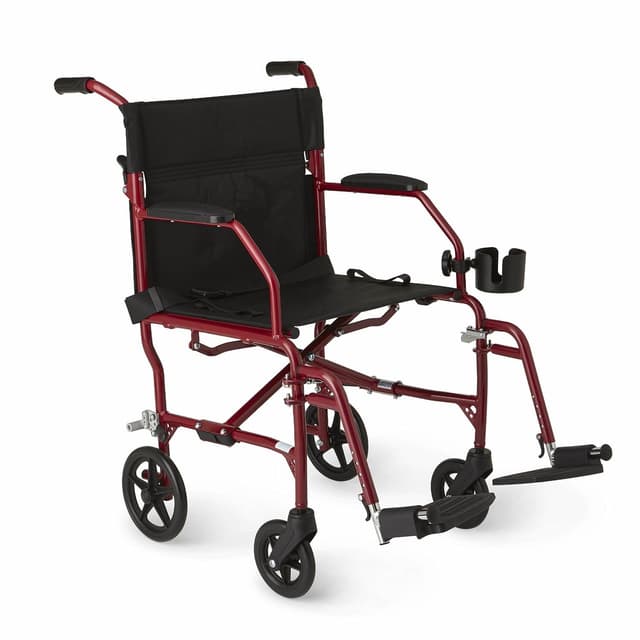
Best lightweight wheelchair for elderly users
Medline Folding Wheelchair with Handbrakes
A versatile folding wheelchair with swingaway footrests, padded arms, safety belt, and caregiver-friendly storage pockets.
Footrests swing away for safer transfers
Back pockets carry daily essentials
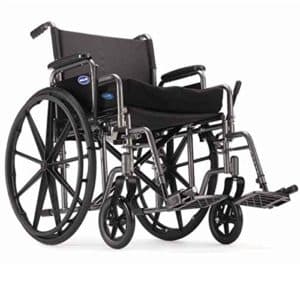
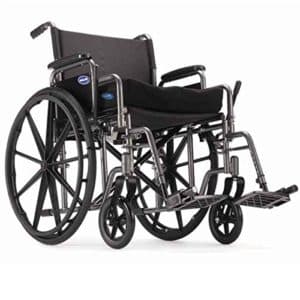
Best basic folding manual chair
Invacare Veranda Manual Wheelchair
A practical folding manual wheelchair with nylon upholstery, swingaway footrests, soft-grip rear tires, and detachable components.
Soft grip tires help traction
Detachable arms support transfers
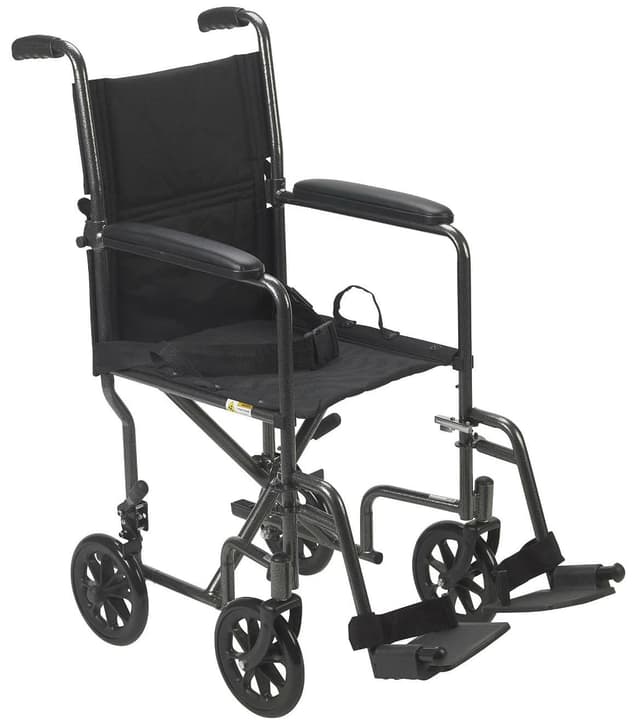
Best fixed-arm steel transport chair
Drive Medical Lightweight Steel Transport Wheelchair
A dependable steel transport chair with a foldable backrest, padded arms, rear locking wheels, and comfortable caregiver handles.
Foldable back makes car storage easier
Padded arms improve comfort
Frequently Asked Questions
What is the most important transfer safety step?
Lock the wheelchair brakes, clear the path, and move footrests before starting the transfer.
When should a caregiver get professional transfer training?
If a transfer requires lifting, causes pain, feels unstable, or involves a fall risk, professional training is strongly worth considering.