

Fit first
Confirm seat width, capacity, transfer height, and home clearances before ranking features.
Daily handling
Match the chair to who lifts, pushes, folds, transports, and stores it most often.
Safety context
Use product specs as a starting point, then verify medical, skin, transfer, and fall-risk needs with a qualified professional.
Think in routes, not rooms
A wheelchair user needs usable routes through the home: entry, bathroom, bedroom, kitchen, living space, and exits.
Walk each route and look for thresholds, rugs, cords, tight turns, furniture pinch points, and areas where the chair cannot approach directly.
Prioritize the highest-use areas
Entry access, bathroom safety, bed transfers, and clear paths to daily essentials usually matter first.
Small changes like removing rugs, rearranging furniture, adding threshold ramps, and relocating frequently used items can help quickly.
Plan for reach and lighting
Switches, shelves, medication, remotes, phones, and kitchen items should be reachable from a seated position when possible.
Motion lights, smart plugs, grabbers, and better storage can reduce unnecessary transfers and reaching.
Compare Before You Buy
Use these comparisons to avoid the wrong chair.
Best Wheelchairs for Seniors: What to Compare
Compare wheelchair features that matter for seniors, including transfers, armrests, brakes, footrests, chair weight, and caregiver handling.
Manual Wheelchair vs Transport Chair
A buyer-focused comparison of manual wheelchairs and transport chairs for independence, caregiver support, trips, and everyday use.
Featured Picks
Start with chairs that fit this use case.
We may earn a commission when you buy through Amazon links. Verify current fit, capacity, specs, and return policies before purchase.
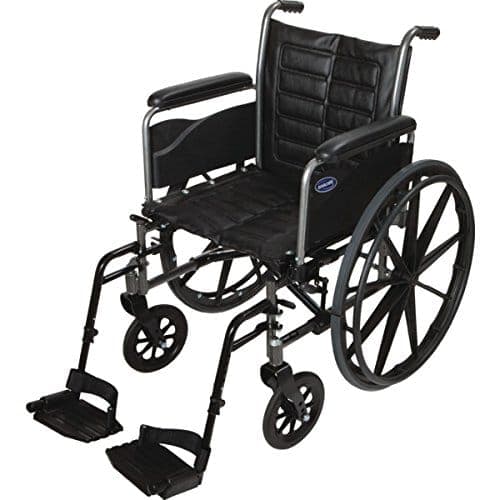
Best dependable manual wheelchair
Invacare Lightweight Tracer EX2 Wheelchair
A dependable manual chair with adjustable seat height, swingaway footrests, and large rear wheels for uneven surfaces.
Dual axle adjusts seat height
Lifetime warranty on the device
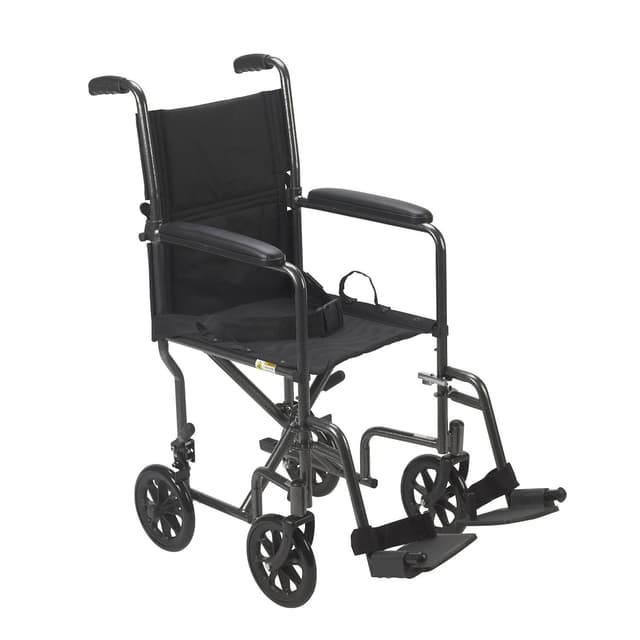
Best compact everyday steel chair
Drive Medical Lightweight Steel Wheelchair
A compact steel manual wheelchair with a foldable backrest, foldable footrests, rear locks, and easy-clean nylon upholstery.
Backrest folds for storage
Nylon upholstery breathes and wipes clean
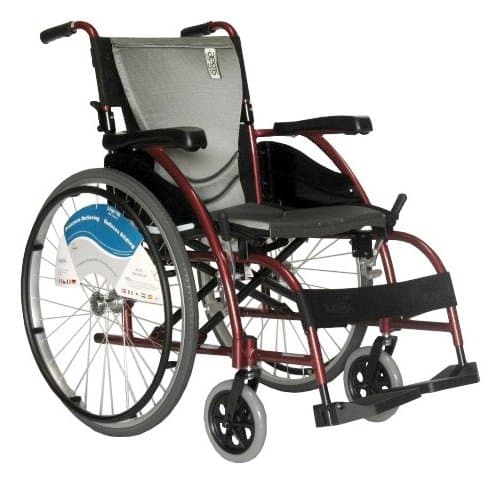
Best ergonomic travel chair
Karman Healthcare S-105 Lightweight Wheelchair
An ergonomic lightweight chair focused on pressure relief, comfortable seating, and easier self-propulsion.
Seat shape helps distribute weight
Coated seat coverings support cleanliness
Frequently Asked Questions
What is the first home accessibility change to make?
Start with clear routes and entry access, then focus on bathroom safety and bedroom transfer setup.
Are threshold ramps enough for home access?
Threshold ramps can help with small rises, but steps, steep entries, or complex layouts may need a more complete ramp or professional assessment.